Medical Disclaimer: The information in this article is intended for educational purposes only. It is not meant to replace medical advice, diagnosis, or treatment from a healthcare provider. Please consult a healthcare practitioner before starting any new medications.
What Is Methylene Blue, and Can It Help Fight Cancer?
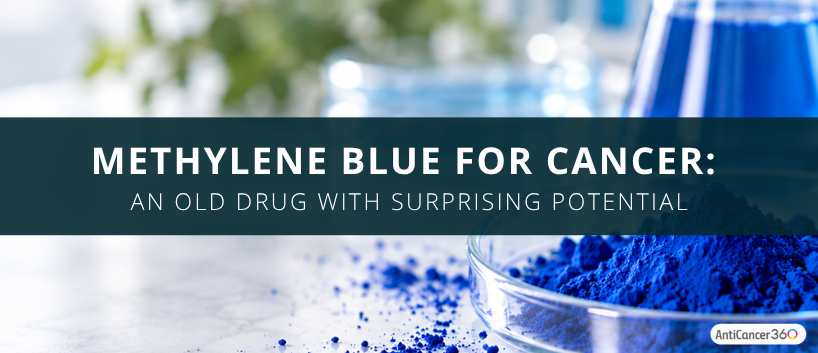
When you’re facing cancer, it’s natural to look beyond standard treatments for therapies that might improve your odds. That’s one reason methylene blue and cancer has become such a widely discussed topic in recent years.
Although methylene blue has been used in medicine for more than a century, researchers are now studying whether this inexpensive drug might also interfere with cancer cell growth. Most of the evidence comes from laboratory and animal studies, but the results have been encouraging enough that scientists continue investigating its potential.
In this article, we’ll look at what methylene blue is, how it may affect cancer cells, which cancers have been studied so far, and what you should know before considering it as part of your treatment plan.
A Brief History of Methylene Blue
Methylene blue has been used in medicine since the late 1800s. Today, the FDA approves it primarily for treating methemoglobinemia, a rare condition that prevents red blood cells from carrying oxygen properly.
Doctors also use methylene blue in certain surgeries, during endoscopic procedures, and to treat ifosfamide-related neurotoxicity.
Beyond methemoglobinemia, methylene blue has recognized uses in several other medical contexts:
- Vasoplegic shock: It is used as a rescue therapy in refractory septic shock and post-cardiac surgery vasoplegia, where it helps restore blood vessel tone by inhibiting nitric oxide synthase.
- Ifosfamide neurotoxicity: It is used to treat or prevent the brain toxicity caused by the chemotherapy drug ifosfamide.
- Surgical dye: Surgeons use it to identify anatomical structures, including parathyroid glands during thyroid surgery and sentinel lymph nodes.
- Diagnostic staining: In endoscopy, it is used to stain tissues such as intestinal metaplasia in Barrett’s esophagus to guide biopsies.
This long track record of clinical use — spanning over a century — means that methylene blue’s safety profile is well characterized, which is one reason researchers are interested in repurposing it for cancer.
How Might Methylene Blue Fight Cancer?
Before we dive in, an important caveat: the anticancer evidence for methylene blue comes almost entirely from preclinical studies — meaning laboratory experiments using cancer cells in test tubes (in vitro) and animal models (in vivo), not human clinical trials. That said, the findings across multiple cancer types are noteworthy.
Can Methylene Blue Starve Cancer Cells of Energy? (The Warburg Effect)
One of the most compelling mechanisms involves cancer cells’ unique energy metabolism. Most cancer cells rely heavily on a process called aerobic glycolysis — also known as the Warburg effect — where they convert glucose to energy inefficiently even when oxygen is available. This metabolic shift supports the rapid growth and proliferation that characterizes cancer.
Methylene blue can act as an alternative electron carrier in the mitochondrial electron transport chain. It accepts electrons from NADH at Complex I and donates them to cytochrome c, essentially bypassing parts of the chain. In cancer cells, this has been shown to reverse the Warburg effect by boosting mitochondrial oxidative phosphorylation, increasing oxygen consumption, and reducing glycolysis.
Research in glioblastoma (brain cancer) cells demonstrated that methylene blue arrested the cell cycle at S-phase and inhibited proliferation through activation of AMP-activated protein kinase (AMPK) — a key cellular energy sensor.
Importantly, this metabolic disruption appears to preferentially affect cancer cells. Normal cells, which already rely on efficient oxidative phosphorylation, are significantly more resistant to methylene blue’s effects. Studies comparing cancer cells to normal cells have consistently shown that methylene blue is more toxic to tumor cells than to healthy ones.
Can Methylene Blue Cause Cancer Cells to Self-Destruct? (Apoptosis)
Multiple studies have demonstrated that methylene blue can induce apoptosis — programmed cell death — in cancer cells through several pathways:
Reactive oxygen species (ROS) generation. Methylene blue promotes the accumulation of ROS and free radicals within cancer cells, damaging mitochondria and triggering cell death cascades. This has been observed in lung cancer, melanoma, and leukemia cell lines.
Caspase activation. In melanoma cells, methylene blue activated the caspase-9/caspase-3 apoptosis pathway, a well-established route of programmed cell death.
Heat shock protein inhibition. A study in non-small cell lung cancer (NSCLC) cells found that methylene blue inhibited Heat Shock Protein 70 (Hsp70), a chaperone protein that cancer cells depend on for survival. In a mouse model of lung cancer, methylene blue significantly reduced tumor biomarkers and improved lung tissue architecture.
Why Healthy Cells May Be Less Affected
A particularly encouraging finding is methylene blue’s preferential toxicity toward cancer cells. In one study, methylene blue was significantly more cytotoxic to leukemic cancer cells than to normal peripheral blood mononuclear cells. Notably, this effect held true even in cancer cells with multidrug resistance (MDR) — meaning cells that had become resistant to conventional chemotherapy drugs were still sensitive to methylene blue.
Similarly, in breast cancer research using 3D tissue culture models that mimic real tumor architecture, methylene blue combined with photodynamic therapy induced massive cell death in malignant cells while non-malignant breast cells were significantly more resistant.
Why Combining Methylene Blue With Light Is So Interesting: Photodynamic Therapy (PDT)
One of the most actively studied applications of methylene blue in cancer is photodynamic therapy (PDT). In PDT, a photosensitizing agent (in this case, methylene blue) is administered and then activated by a specific wavelength of light (typically around 640 nm).
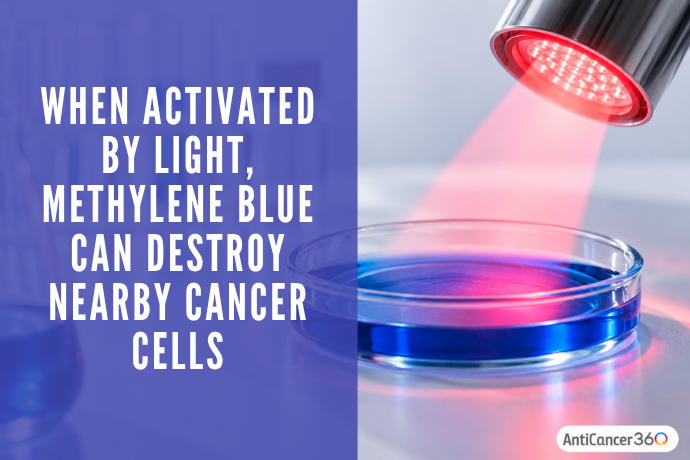
When activated, methylene blue generates large amounts of singlet oxygen and other reactive oxygen species that destroy nearby cancer cells.
A 2023 systematic review of preclinical PDT studies found that methylene blue-mediated PDT reduced tumor sizes in seven out of ten animal studies examined, across cancer types including colorectal tumors, carcinoma, and melanoma. Dosages in these studies ranged from 0.04 to 24.12 mg/kg.
In limited human applications, methylene blue PDT has been used to treat superficial bladder tumors, esophageal carcinomas, melanoma, and Kaposi’s sarcoma, with no reported toxicities. However, these were small-scale reports, not large clinical trials.
A key advantage of methylene blue as a photosensitizer is that the body quickly converts it to a colorless form, meaning there is little to no lingering skin photosensitivity — a common and bothersome side effect of other PDT agents.
Ovarian Cancer: A Notable Preclinical Finding
A 2024 study investigated methylene blue as a metabolic therapy for platinum-resistant ovarian cancer — a particularly difficult-to-treat scenario. Using a carboplatin-resistant ovarian cancer model in mice, methylene blue demonstrated superior tumor growth suppression compared to carboplatin treatment alone. The researchers found that methylene blue specifically targeted cancer cell mitochondria while sparing normal cells, suggesting potential as an alternative or adjuvant treatment for resistant cases.
A 2024 preclinical study investigated methylene blue as a metabolic therapy in a carboplatin-resistant ovarian cancer model in mice. [View the published study on PubMed.]
Which Cancers Have Researchers Studied?
Across published literature, methylene blue has shown anticancer activity in preclinical models of:
- Glioblastoma and other brain tumors (neuroblastoma, astrocytoma)
- Breast cancer
- Non-small cell lung cancer
- Melanoma
- Ovarian cancer (including platinum-resistant)
- Leukemia (including multidrug-resistant)
- Colorectal cancer
- Oral squamous cell carcinoma
- Sarcoma
Frequently Asked Questions About Methylene Blue and Cancer
Can Methylene Blue Cure Cancer?
No. At this point there’s no evidence that methylene blue cures cancer in humans. The anticancer evidence comes from preclinical studies — cell cultures and animal models — not from human clinical trials designed to evaluate cancer outcomes.
However, the preclinical data is promising enough that researchers continue to investigate its potential, particularly in photodynamic therapy and as a metabolic therapy for treatment-resistant cancers.
What Dosage of Methylene Blue Has Been Studied for Cancer?
No standardized anticancer dosage has been established. In preclinical photodynamic therapy studies, dosages ranged widely from 0.04 to 24.12 mg/kg, depending on the cancer type and delivery method.
For its FDA-approved use in methemoglobinemia, the standard dose is 1 mg/kg intravenously. Some oral formulations of methylene blue are available (typically as USP-grade powder or capsules), but these have not been studied in cancer clinical trials.
Any use for cancer would be considered off-label and should only be undertaken with medical supervision.
What Are the Common Side Effects of Methylene Blue?
Based on its FDA labeling, methylene blue may cause:
- Blue-green discoloration of urine (this is expected and harmless)
- Nausea, vomiting, and abdominal pain
- Dizziness and headache
- Confusion and visual disturbances
- Chest pain or shortness of breath
- Skin discoloration (bluish tint)
- Pain or irritation at the injection site (for IV formulations)
At higher doses (above 7 mg/kg), methylene blue can paradoxically cause or worsen methemoglobinemia — the very condition it is commonly used to treat.
What Are the Serious Risks and Contraindications?
Methylene blue is contraindicated in people with certain conditions or allergies:
- G6PD deficiency: People with glucose-6-phosphate dehydrogenase (G6PD) deficiency are at risk for severe hemolytic anemia. G6PD deficiency affects approximately 2% of the U.S. population and is more common in people of African, Mediterranean, and Southeast Asian descent. Ideally, G6PD status should be tested before using methylene blue.
- Known hypersensitivity: Anyone who has had an anaphylactic or severe allergic reaction to methylene blue or other thiazine dyes should not use it.
Methylene blue should also be used with caution in pregnant women due to concerns about potential teratogenicity (birth defects) and possible intestinal atresia. It is not recommended during breastfeeding. If you are pregnant or nursing, discuss the risks with your healthcare provider.
What Drug Interactions Should I Be Aware Of?
This is critically important: methylene blue is a potent monoamine oxidase (MAO) inhibitor. This means it can cause a dangerous condition called serotonin syndrome when combined with serotonergic medications, including:
- Antidepressants, including SSRIs (such as fluoxetine, sertraline, escitalopram) and SNRIs (such as venlafaxine and duloxetine)
- Tricyclic antidepressants
- Opioid pain medications, especially certain ones like tramadol and meperidine
- Triptans, such as sumatriptan, for migraine
- Other MAO inhibitors
Some supplements may increase serotonin levels and could raise the risk of serotonin toxicity when used with methylene blue. These combinations are not always contraindicated, but they should be used with caution, with professional guidance and while monitoring for symptoms of serotonin syndrome:
- St. John’s Wort
- Acetyl-L-Carnitine
- Black Cohosh
- Black Seed
- Fermented Wheat Germ Extract
- Garcinia
- 5-HTP
- L-Tryptophan
- Psilocybin
- SAMe
Serotonin syndrome can cause agitation, confusion, rapid heart rate, high blood pressure, muscle rigidity, seizures, and can be life-threatening.
The FDA warns that patients should not take serotonergic drugs within 72 hours of receiving methylene blue.
If you take any antidepressant or pain medication, it is essential to discuss this with your healthcare provider before considering methylene blue.
Can Methylene Blue Interfere With My Cancer Treatments?
There is limited data on interactions between methylene blue and standard oncology treatments. Interestingly, methylene blue is actually used to treat the neurotoxicity caused by the chemotherapy drug ifosfamide, suggesting compatibility in at least that context.
However, because methylene blue affects mitochondrial function and cellular energy metabolism, there is a theoretical possibility of interactions with other treatments. Always inform your oncology team about any supplements or off-label medications you are considering.
How Can I Get Methylene Blue?
Injectable methylene blue (1% solution) is a prescription medication available in hospitals and pharmacies. USP-grade methylene blue powder and capsules are also available from compounding pharmacies and some supplement retailers, though quality and purity can vary.
It is important to use pharmaceutical-grade (USP) methylene blue — not industrial or laboratory-grade products, which may contain impurities unsafe for human consumption.
The Bottom Line
Research on methylene blue and cancer is still in its early stages. Laboratory and animal studies suggest it may interfere with cancer cell metabolism, increase cancer cell death, and improve photodynamic therapy. Those findings are encouraging, but they don’t prove the same results will occur in people.
If you’re interested in methylene blue, discuss it with your oncology team before adding it to your treatment plan. Because it can interact with several medications, especially antidepressants and pain medications, professional guidance is essential.
Cancer treatment is rarely about finding one magic bullet. It’s about putting together as many evidence-informed strategies as possible while making sure they work safely alongside your conventional treatment. Methylene blue may be one piece of that puzzle, but it should always be used under professional guidance.
Are You a Good Candidate for Our Program?
Every cancer diagnosis is different, and so is every treatment plan. If you’re exploring complementary approaches such as methylene blue, it’s important to build a strategy that’s tailored to your specific type of cancer, current treatments, and overall health.
How are you approaching your treatment? Have you discussed supplements or repurposed medications with your oncology team? We’d love to hear what’s been part of your experience in the comments below.
If you’d like to learn more about the AntiCancer360 approach and find out whether our program may be a good fit for you, watch our free online webinar. You’ll learn more about our evidence-informed approach to integrative cancer care, and at the end you’ll have the opportunity to schedule a free call with a member of our team to discuss your case in more detail.
References
- Methylene blue. Food and Drug Administration. Updated: 2026-04-02.
- METHYLENE BLUE. Food and Drug Administration. Updated: 2026-05-28.
- Alternative Mitochondrial Electron Transfer for the Treatment of Neurodegenerative Diseases and Cancers: Methylene Blue Connects the Dots. Yang SH, Li W, Sumien N, et al. Progress in Neurobiology. 2017;157:273-291. doi:10.1016/j.pneurobio.2015.10.005.
- Reversing the Warburg Effect as a Treatment for Glioblastoma. Poteet E, Choudhury GR, Winters A, et al. The Journal of Biological Chemistry. 2013;288(13):9153-64. doi:10.1074/jbc.M112.440354.
- Anticancer Activity of Methylene Blue via Inhibition of Heat Shock Protein 70. Sanchala D, Bhatt LK, Pethe P, Shelat R, Kulkarni YA. Biomedicine & Pharmacotherapy = Biomedecine & Pharmacotherapie. 2018;107:1037-1045. doi:10.1016/j.biopha.2018.08.095.
- Methylene Blue Is More Toxic to Erythroleukemic Cells Than to Normal Peripheral Blood Mononuclear Cells: A Possible Use in Chemotherapy. Kirszberg C, Rumjanek VM, Capella MA. Cancer Chemotherapy and Pharmacology. 2005;56(6):659-65. doi:10.1007/s00280-005-1014-3.
- Methylene Blue in Anticancer Photodynamic Therapy: Systematic Review of Preclinical Studies. Taldaev A, Terekhov R, Nikitin I, et al. Frontiers in Pharmacology. 2023;14:1264961. doi:10.3389/fphar.2023.1264961.
- Methylene Blue-Mediated Photodynamic Therapy Enhances Apoptosis in Lung Cancer Cells. Lim EJ, Oak CH, Heo J, Kim YH. Oncology Reports. 2013;30(2):856-62. doi:10.3892/or.2013.2494.
- Apoptosis Induced by Methylene-Blue-Mediated Photodynamic Therapy in Melanomas and the Involvement of Mitochondrial Dysfunction Revealed by Proteomics. Chen Y, Zheng W, Li Y, et al. Cancer Science. 2008;99(10):2019-27. doi:10.1111/j.1349-7006.2008.00910.x.
- Methylene Blue Photodynamic Therapy Induces Selective and Massive Cell Death in Human Breast Cancer Cells. Dos Santos AF, Terra LF, Wailemann RA, et al. BMC Cancer. 2017;17(1):194. doi:10.1186/s12885-017-3179-7.
- Methylene Blue Metabolic Therapy Restrains in Vivo Ovarian Tumor Growth. da Veiga Moreira J, Nleme N, Schwartz L, et al. Cancers. 2024;16(2):355. doi:10.3390/cancers16020355.
- Efficacy and Safety of Methylene Blue in the Treatment of Malaria: A Systematic Review. Lu G, Nagbanshi M, Goldau N, et al. BMC Medicine. 2018;16(1):59. doi:10.1186/s12916-018-1045-3.
- Factors influencing tumor response to photodynamic therapy sensitized by intratumor administration of methylene blue. Baran TM, Giesselman BR, Hu R, Biel MA, Foster TH. Lasers in Surgery and Medicine. 2010;42(8):728-35. doi:10.1002/lsm.20962.
Which describes you best?
Please select one of the options below, and you'll be guided to the online training that best fits your situation.

I'm fighting an advanced (or late stage) cancer and I'm determined to "beat the odds."

I'm fighting an earlier staged cancer, and want to maximize the outcome & minimize the side effects.

Dr. Patricia Weiser is a licensed pharmacist, and one of AntiCancer360’s consultant pharmacists, science advisors, and medical writers. Patricia earned her degree in pharmacy of the University of Pittsburgh, and her expertise helps us create safe herbal and supplement combinations and avoid potential drug interactions. She has clinical experience in both community and hospital pharmacy. She is passionate about integrative and preventative care and strives to empower her patients to take an active role in their health.