Antioxidants during cancer treatment are one of the most debated topics in integrative oncology. Some patients are told to avoid them entirely, while others hear that antioxidants may help fight cancer.
But the research tells a more complicated story.
The real question isn’t whether all antioxidants are good or bad. It’s how specific compounds behave at different doses, in different cancers, and alongside different treatments.
Here’s the uncomfortable part. One of those pieces of advice might be wrong for your particular situation. And they’re both wrong for another reason. Because any advice based solely on the label “antioxidant,” rather than the characteristics of the specific compound, is incomplete.
So, this article is partly about whether or not antioxidants belong anywhere near cancer treatment. But the real problem is the question itself. “Antioxidant” is not one thing. It’s a single label stretched across vitamin C, NAC, glutathione, selenium, and thousands of plant compounds that behave in completely different — sometimes opposite — ways. Asking “are antioxidants safe during treatment?” is kind of like asking “are chemicals safe to eat?” The word is just too big to carry an answer.
Both the “avoid everything” camp, and the “they’re secretly powerful” camp are standing on that same mistake. The honest picture sits in the middle — and it’s far more interesting than either side lets on.
A quick note before we go further: this is educational, based on clinical experience and emerging research. It’s not medical advice for your specific case, and nothing here should change what you’re doing without your medical team. The full version of that is at the bottom.
Who’s Telling You This
I’m Gene Wei, Doctor of Oriental Medicine and integrative practitioner focused on cancer care. For well over a decade, my team and I have worked with hundreds of people facing cancer — often advanced, often what their oncologists called terminal. We work alongside oncology treatment, never instead of it.
And to be clear, I’ve had cases where nothing we did was enough — which is why we’re constantly exploring new approaches, many of which we talk about here. But in that time I’ve been part of cases that turned in ways that surprised everyone involved, oncologists included. And what that experience has given me isn’t a formula. It’s a working sense of which of these strategies might have real benefit behind them, and where and how they could fit into someone’s care.
And that’s exactly the perspective I want to bring to the antioxidant question — because this is a place where the simple answers, in both directions, fall apart.
The Problem Is the Word Itself
Start with the thing almost nobody emphasizes: the same molecule can be an antioxidant at one dose and a pro-oxidant at another.
Take alpha-lipoic acid, a supplement a lot of people take. On paper it’s a classic antioxidant — it scavenges free radicals and even chelates metals like iron and copper (Packer, Free Radical Biology & Medicine, 1995).
But its reduced form, DHLA, is also a strong reducing agent. In the presence of free iron, it can hand an electron to that iron and actually feed the chemistry that produces damaging hydroxyl radicals (Packer, Free Radical Biology & Medicine, 1995; Moini, Toxicology and Applied Pharmacology, 2002).
So the exact same compound protects in one setting and promotes oxidation in another. Which way it tips depends on dose, on the cell’s state, and on what it’s sitting next to.
Now — in a living body, at normal doses, the antioxidant side of alpha-lipoic acid usually wins, and most of the pro-oxidant data comes from high doses or test-tube conditions. I want to be fair about that.
The point isn’t that alpha-lipoic acid is secretly dangerous. The point is subtler and more important: “antioxidant” is a description of what a molecule can do in one context, not a fixed identity.
This is also where my background in Eastern medicine gives us a philosophical perspective on this scientific phenomenon.
In Eastern tradition, nothing is singular in its characteristics. There’s yin within yang, and yang within yin. Water is the most yin thing there is — soft, passive, yielding. But let water freeze inside a crack, and it will split a boulder. That’s a profoundly yang act hiding inside the most yin substance.
A plant “antioxidant” is the same: a protective, scavenging nature with a sharp, oxidizing capacity folded inside it, waiting for the right conditions to come out.
Why Some Plant Compounds Flip Inside a Cancer Cell
Here’s where it gets genuinely useful for cancer.
A lot of plant polyphenols — curcumin from turmeric, quercetin from onions and capers, EGCG from green tea — seem to behave differently depending on which cell they’re in.
In healthy cells, they tend to act like antioxidants. But drop them into certain cancer cells and they can do the opposite: they drive reactive oxygen species — ROS, essentially oxidative stress — up.
In one study, curcumin raised ROS and caused oxidative DNA damage in ovarian cancer cells but not in normal ovarian epithelial cells tested in parallel in the same study (Bao, PLoS One, 2025).
In leukemia cells, curcumin pushed ROS up and choked the cells’ growth — and adding glutathione, an antioxidant, partly rescued them (Larasati, Scientific Reports, 2018). That last detail matters: it shows the killing really was running through oxidation.
Why would a cell’s cancer status change how a molecule behaves? A few reasons, and none of them is magic. Many cancer cells already run hotter — they carry more baseline oxidative stress and lean hard on their antioxidant defenses just to survive. Push them a little further and you can tip them past what they can handle.
On top of that, these polyphenols interact with copper and iron inside cells, and that metal chemistry can turn a scavenger into a generator of oxidative damage (Eghbaliferiz & Iranshahi, Phytotherapy Research, 2016).
In fact, when researchers added copper to normal breast cells, those normal cells became vulnerable too (Khan, Molecular Nutrition & Food Research, 2014). This tells you the effect is about the cell’s environment, not some mystical cancer-detector built into the plant.
So: real, measurable, dose- and context-dependent. Not a universal “these compounds seek and destroy cancer” switch. And this nuance is the whole point.
Radiation: The Cleanest Place to See Synergy
Radiation kills cancer in large part by generating a burst of oxidative damage. So the obvious question is: if a plant compound can raise oxidative stress inside a tumor cell, could it make radiation hit harder?
For curcumin, the evidence here is about as clean as preclinical evidence gets. Curcumin made cervical cancer cells markedly more sensitive to radiation — but did not sensitize normal human cells in the same study.
And when researchers blocked the ROS, the radiosensitizing effect vanished (Javvadi, Molecular Pharmacology, 2008). A follow-up pinned the effect to a specific redox enzyme, thioredoxin reductase (Javvadi, Cancer Research, 2010).
That’s a tight mechanistic story: the oxidation isn’t just present, it’s necessary for the effect.
Quercetin is the one I find most striking, because it shows the whole thesis in a single molecule. In animal studies, quercetin protects healthy tissue from radiation — the salivary glands and the kidneys — by doing exactly what an antioxidant does, mopping up free radicals in normal cells (Takahashi, PLoS One, 2015; Özyurt, Free Radical Research, 2014).
On the other hand, quercetin makes several cancers more sensitive to radiation in preclinical models — and in a medulloblastoma screen it sharpened the radiation effect on the cancer while sparing normal cells (Lagerweij, Oncotarget, 2016).
Here’s the nuance you don’t want to skip: quercetin’s radiation synergy often isn’t about raising ROS at all. In the best-studied case — an ovarian cancer model — it works by blocking the cancer cell’s DNA repair and triggering a p53 stress response (Gong, OncoTargets and Therapy, 2018).
So even within the “antioxidants and radiation” story, the mechanisms are plural and messy. One molecule, protecting your normal cells and sharpening the hit on the tumor — sometimes through oxidation, sometimes through something else entirely.
Chemotherapy: Where the Evidence Genuinely Cuts Both Ways
Now the harder case, and the one I want to be most honest about — because this is where the “antioxidants are secretly great” story breaks down, and it should.
Chemotherapy is messier than radiation. Oxidative stress matters a lot for some chemo drugs — the platinums like cisplatin and oxaliplatin, the anthracyclines like doxorubicin — and less for others. So the whole “antioxidants might blunt chemo” worry really only applies to part of the chemo world in the first place.
And when you look at the oxidative chemo drugs specifically, the plant compounds do not line up neatly on the “helpful” side. They go both ways.
On the helpful side, there’s real preclinical signal. Curcumin raised ROS in bladder cancer cells and made cisplatin work better — and blocking the ROS undid it, which is how you know oxidation was doing the work (Park, Oncotarget, 2016). Curcumin pushed doxorubicin-resistant lung cancer cells toward death through an oxidative, iron-driven process (Lee, Antioxidants, 2026).
But here’s the part a one-sided article would quietly leave out. The same compounds have, in other studies, protected cancer cells from chemo.
Dietary curcumin reduced doxorubicin-induced cell death in breast cancer models — by suppressing ROS — at concentrations as low as 1 micromolar (Somasundaram, Cancer Research, 2002). And low-dose quercetin antagonized cisplatin in ovarian cancer and reduced its efficacy in tumor-bearing mice (Li N, PLoS One, 2014).
And notice the thread running through those opposite results: dose. That same lung-cancer study found curcumin antagonistic at low concentrations and synergistic at high ones (Lee, 2026). The quercetin study found protection at low doses and killing at high doses (Li N, 2014). The direction of the effect literally flipped depending on how much was there.
So if someone tells you “antioxidants synergize with chemo,” they’re citing real studies — and so is the person who tells you the opposite. Both are standing on true findings and ignoring half the picture.
The honest statement is that these are context-dependent redox modulators, not tumor-seeking missiles. Which compound, which drug, which dose, which cancer — all of it matters.
The Two Antioxidants I’m Most Cautious About
If there’s a place where the “antioxidants might interfere” worry has real teeth, it’s here: NAC and glutathione. These are powerful antioxidants, and mechanistically they could blunt a treatment that works through oxidation. In the lab, NAC shut down curcumin’s ability to sensitize cancer cells to radiation — which tells you it can neutralize exactly that kind of effect (Javvadi, Molecular Pharmacology, 2008).
But I want to be honest about how strong this actually is. That caution is mostly mechanism and clinical judgment — not proven human harm.

In fact, Keith Block — an integrative oncologist whose reviews I’ll come back to in a moment — looked at several glutathione trials and didn’t find a drop in effectiveness, though those trials were underpowered. So I treat NAC and glutathione as a reason for genuine care and close supervision during an oxidative treatment — not as a settled fact that they wreck it.
So Should You Just Stop Everything? The Human Data Says It’s Not That Simple
Given all that, you’d expect the safe move to be “take nothing.” But that blanket rule was never actually built on strong evidence either.
Dr. Block led two systematic reviews on exactly this question. The first looked at every randomized controlled trial of antioxidants given during chemotherapy that reported survival or tumor response — 19 trials out of 845 screened.
None of them showed a statistically significant drop in how well the chemo worked, and several actually reported better outcomes (Block, Cancer Treatment Reviews, 2007). The second review, of 33 trials, found antioxidant supplementation tended to reduce the toxic side effects of treatment (Block, International Journal of Cancer, 2008).
Now, I’m going to hold those reviews to the same standard I’d hold anyone else’s evidence — including my own, in a minute. Because they have real limits, and Block flags them himself.
Most of those 19 trials were small and underpowered — and an underpowered trial can’t really rule interference in or out. Most of the patients also had advanced or relapsed disease, so the findings don’t necessarily transfer to someone with an early, curable cancer.
A pointed review in the Journal of the National Cancer Institute pushed back harder still, noting that an antioxidant shielding normal cells from oxidative damage might shield some tumor cells too (Lawenda, Journal of the National Cancer Institute, 2008).
And a 2024 scoping review that weighed the whole question found the evidence genuinely mixed — and, reading that uncertainty, leaned toward caution, advising against antioxidant supplements during chemotherapy or radiation (Woldeselassie & Tamene, Frontiers in Nutrition, 2024).
So the honest picture is that reasonable researchers land in different places. Dr. Block doesn’t prove antioxidants are safe-and-helpful across the board; the cautionary reviews don’t prove harm either.
What’s fair to say is narrower: the sweeping “stop all antioxidants” order was never backed by a clear efficacy signal in the human trials we actually have — and the other side’s worry about shielding the tumor was never settled either. “We don’t know yet” turns out to be the honest reading — and “we don’t know” is a real position, not just an excuse.
The part most people skip: almost none of this has reached humans
Here’s the honesty beat this topic desperately needs.
Nearly everything exciting I just described — the pro-oxidant flip, the radiosensitizing, the ROS-driven chemo synergy — comes from cells in a dish or animals. That’s a starting point, not a finish line.
Only about 5% of therapies tested in animals ever make it all the way to approval for people (Ineichen, PLoS Biology, 2024). And for cancer drugs specifically, once they’ve even reached human trials, only about three or four out of a hundred make it through (Wong, Siah & Lo, Biostatistics, 2019).
That’s not because animal results are usually wrong — they often point the right way. What’s rare is surviving the entire path to a proven human therapy. Preclinical promise is real. But it’s also a long way from proof.
So what about humans and these specific compounds? Here I want to be precise, because it’s easy to blur. The question that matters for this article is narrow: does adding one of these compounds to standard cancer treatment make the treatment work better in people?
The honest answer is that a handful of real randomized trials have asked exactly that — and they don’t all agree.
Start with the positive side. In 150 women with advanced breast cancer, adding curcumin to paclitaxel chemotherapy raised the tumor-response rate — 51% versus 33% — and that was the trial’s main, prespecified endpoint, in a proper double-blind, placebo-controlled design (Saghatelyan, Phytomedicine, 2020).
That’s the strongest single “added-to-chemo” response signal among these compounds. Two honest caveats, though. It used an intravenous curcumin preparation, not the oral supplements people actually buy. And it did not show longer survival.
In a much smaller colorectal-cancer trial, adding oral curcumin to FOLFOX chemotherapy came with longer median survival — 502 days versus 200 (Howells, The Journal of Nutrition, 2019). But that was 28 patients, open-label, and survival was a secondary finding, not the main goal.

And here’s the part I won’t leave out — because the same honesty has to cut both ways. There’s also a clearly negative trial. When curcumin was added to docetaxel chemotherapy for metastatic castration-resistant prostate cancer (about 50 patients), it didn’t help, and the trial was stopped early for futility (Passildas-Jahanmohan, Cancer Medicine, 2021). A fair look at curcumin means holding that trial right next to the positive ones.
Green tea extract (EGCG) has a smaller, more on-point signal. Added to radiation in a subgroup of 38 small-cell lung cancer patients, the response rate was higher — 85% versus 50% (Zhu, Frontiers in Oncology, 2021). But that came from a trial built to study something else — a radiation side effect called esophagitis — the subgroup was small, and survival wasn’t improved. A real signal, but an exploratory one.
Then there’s melatonin. It’s not a plant compound, but it’s an antioxidant, and it’s been tested in a fair number of cancer trials — some earlier ones reported better outcomes when it was added to chemo or radiation.
But a 2025 Cochrane review of 30 trials rated most of that evidence low to very-low certainty — not enough to confirm a real benefit (Yu, Cochrane Database of Systematic Reviews, 2025). So: plenty of trials, some encouraging early reports, but thin confirmation.
As for quercetin, resveratrol, and berberine — the three people ask about most after curcumin — I couldn’t find a single verified human trial showing that adding them to treatment improves response or survival. Berberine does have a large, solid human trial, but it’s about preventing precancerous colon polyps, not treating an active cancer (Chen, Lancet Gastroenterology & Hepatology, 2020). That’s a different question.
So the honest human file looks like this. For adding one of these compounds to standard treatment and getting a better result, there are a few real randomized trials — one solid positive response trial, one small survival signal, one flatly negative trial, and a scattering of smaller or unreplicated signals.
No compound here has convincing, repeated proof that it lengthens survival. That’s the whole file, honestly stated. It’s why I call these natural integrative methods “experimental” — and mean it.
But There’s A Catch The Trials Don’t Capture
Here’s something every one of those human trials has in common. They each tested a single compound. One ingredient, measured on its own.
That’s good science — it’s how you isolate an effect. But it’s not how any of this actually gets used, and it may badly undersell what’s possible. In practice — and in the research I find most interesting — these compounds are combined. Several at once, each aimed at a different mechanism in the cancer cell.
And a combination can behave nothing like its parts. The study that made this click for me comes from the group around Dr. Laurent Schwartz, a Harvard-educated oncologist. In mice with lung tumors, they tested four cheap, old drugs — including alpha-lipoic acid, the antioxidant from earlier, alongside hydroxycitrate, metformin, and an anti-inflammatory called diclofenac. Each one alone did very little.
But all four together, hitting the tumor’s metabolism from different angles, drove real tumor regression — and the authors reported the combination was about twice as effective as cisplatin, a standard chemotherapy, in that model (da Veiga Moreira, Scientific Reports, 2019).
Think about that. Four low-toxicity compounds — two of them supplements, two of them cheap, repurposed drugs — roughly doubling a chemotherapy drug, in a mouse model.
Now the honest caveats, because they matter. That’s a mouse study. Only one of those four is an antioxidant — it’s a metabolic combination, not an “antioxidant stack.” And that exact protocol has never been tested in people. So this is potential, not proof.
But it reframes those single-compound trials. If one compound on its own produces a modest signal — and some of them did — then the real question was never “how good is curcumin by itself.” It’s what a thoughtful combination, each piece chosen for a different mechanism, might do together.
And that study used only four. Imagine seven or eight. Imagine a dozen, even fifteen natural compounds, each aimed at a different vulnerability, layered together the right way. What could that do? We don’t know yet. Nobody has tested it. That’s the honest answer. But that’s where the real potential lives — and it’s a big reason the combination approach is where I focus.
What This Looks Like In Real Care
So where does that leave someone actually making decisions?
In my practice, this isn’t theoretical. We’ve worked with people whose oncologists told them, plainly, that treatment was palliative — that the goal was to prolong life, not to clear the disease. And in some of those cases, the disease cleared anyway.
The oncologists were surprised; they said so themselves. One case that stays with me involved a cancer that had spread to the brain, among other places. They did radiation on the brain lesions, and the lesions resolved — and the radiation oncologist told us directly he hadn’t expected that.

Now I have to be just as honest about what I can’t claim. I can’t tell you the plant compounds are what did it. Those same people also had aggressive conventional treatment, and I can’t separate the two.
But here’s what I keep coming back to. These weren’t just good outcomes — they were outcomes the treating oncologist didn’t expect. And when the specialist who does this every day is surprised, I can’t help but think that maybe what we added, alongside the treatment, tipped the scales.
Maybe it synergized with the person’s treatments. I can’t prove that, and I won’t pretend to. But the “maybe” is real — emphasis on maybe.
Now, I’ve also had cases where we threw everything we had at it and nothing was enough — I’ll always tell you that too. But I’ve seen this pattern enough times that I don’t think it’s all chance.
That’s my honest read. It’s not proof, and I won’t pretend it is. If you want to hear it the way it happened, our testimonials tell those stories in the patients’ own words, not ours.
This is also why we reserve these methods for advanced cases — situations where conventional treatment alone, by its own team’s assessment, isn’t expected to be enough. The potential is real. The proof isn’t there yet.
That combination — real potential, unproven — is precisely what justifies trying it alongside full conventional care when the conventional path is falling short, and doesn’t justify a healthy person with an early, curable cancer gambling on it.
So How Do You Actually Think About Any Given Antioxidant?
Here’s the framework — the thing to walk away with. When you’re weighing whether a specific antioxidant-labeled compound is friend, foe, or unknown alongside a specific treatment, run it through four questions:
- At the relevant dose, is this compound acting as an antioxidant or a pro-oxidant? Remember alpha-lipoic acid and the dose flips in the chemo studies — the amount can reverse the direction.
- Is there actual evidence it raises oxidative stress or sensitizes cells in cancer specifically — not just in general? “It’s an antioxidant” tells you almost nothing here.
- What’s the treatment? Is it one that kills through oxidation (radiation, platinums, anthracyclines), where a pro-oxidant push might synergize — or one where the same compound might just protect the tumor?
- What tier is the evidence? A human trial outweighs an animal study, which outweighs cells in a dish. Most of what’s online for these compounds is the bottom tier dressed up as the top.
And the honest default underneath all four: most of this is unproven. That makes it a supervised tool for hard cases chosen with a clinician who knows your full picture — not a shopping list to run on your own during treatment.
And if you ever use an AI tool to research a compound or your own prognosis, make it show you the actual study, and then check that the study actually exists — these tools invent citations confidently, and you’re making real decisions.
The Balance Underneath It All
If there’s one idea I’d leave you with, it’s balance — and not as a slogan, but as a guiding principle.
The aggressive, deliberately pro-oxidant approach I’ve described is extreme on purpose. It’s a hard tip of the scale toward oxidation. But that’s a response to an extreme situation — advanced cancer, conventional treatment reaching its limits.
It’s a counterweight, applied for a season, under supervision. It is not how anyone should eat, supplement, or live when they’re well, and it’s not forever.
The extremists on both ends — “antioxidants are always protective” and “antioxidants always feed cancer” — are both making the same error the oncologist and the supplement influencer make: treating a whole category as one fixed thing, good or bad for all time.
The real answer is more nuanced. Not which antioxidant is good or bad, but where it fits, how much, for how long, and alongside what. These are the details that must be considered when evaluating “antioxidants” for a given case.
This content is for educational purposes only and reflects clinical observations and emerging research. It is not medical advice and is not intended to diagnose, treat, cure, or prevent any disease. The methods discussed are experimental and are generally most appropriate for advanced cases where conventional treatments have limited proven benefit. They should be considered alongside, not instead of, conventional medical care, and only under the supervision of qualified medical professionals familiar with your specific case. Individual results vary. Anticancer360 does not replace your oncologist or primary care team. Always consult your treating physicians before making changes to your treatment plan, diet, or supplement regimen.
FAQ (for featured snippets, once this becomes the blog hub)
Should I stop taking antioxidants during chemotherapy? It depends on the specific compound, the dose, and which chemo you’re on — not on the word “antioxidant.” The human trials we have don’t show a clear, across-the-board reduction in chemo’s effectiveness, but some plant compounds have protected cancer cells in lab studies, so this is a question for your oncologist and an integrative clinician who knows your full case — not a DIY decision.
Are antioxidants and radiation a bad combination? Not necessarily. Several antioxidant-labeled plant compounds (curcumin, quercetin) have made cancer cells more sensitive to radiation in preclinical studies while protecting normal tissue. But this is lab and animal evidence, not proof in humans.
Which antioxidants are most concerning during treatment? NAC and glutathione draw the most caution, because they’re strong antioxidants that could blunt treatments which work through oxidation. But that caution is mostly based on mechanism and clinical judgment, not proven human harm — so it’s a reason for care and supervision, not a blanket rule.
Is there any human proof these plant compounds help? A little, and it’s mixed. The strongest single result is a 150-patient double-blind trial where adding curcumin to paclitaxel chemotherapy raised the tumor-response rate in advanced breast cancer — but it used intravenous curcumin, not oral supplements, and didn’t show longer survival. A small colorectal trial saw a survival signal with curcumin plus FOLFOX; a prostate-cancer trial of curcumin plus docetaxel was flatly negative. Green tea extract (EGCG) showed a response signal added to radiation in a small lung-cancer subgroup. No compound here has convincing, repeated proof that it lengthens survival — most of the evidence is still preclinical.
Which describes you best?
Please select one of the options below, and you'll be guided to the online training that best fits your situation.

I'm fighting an advanced (or late stage) cancer and I'm determined to "beat the odds."

I'm fighting an earlier staged cancer, and want to maximize the outcome & minimize the side effects.
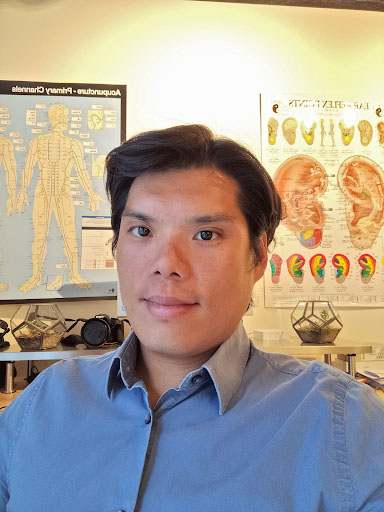
Gene Wei is a Board Certified Doctor of Oriental Medicine in the state of Florida, and the founder of AntiCancer360. He’s also a graduate of the University of California Los Angeles, and East West College of Natural Medicine.
His practice focuses on aggressive integrative strategies used alongside conventional oncology care, particularly for advanced and difficult cancers.